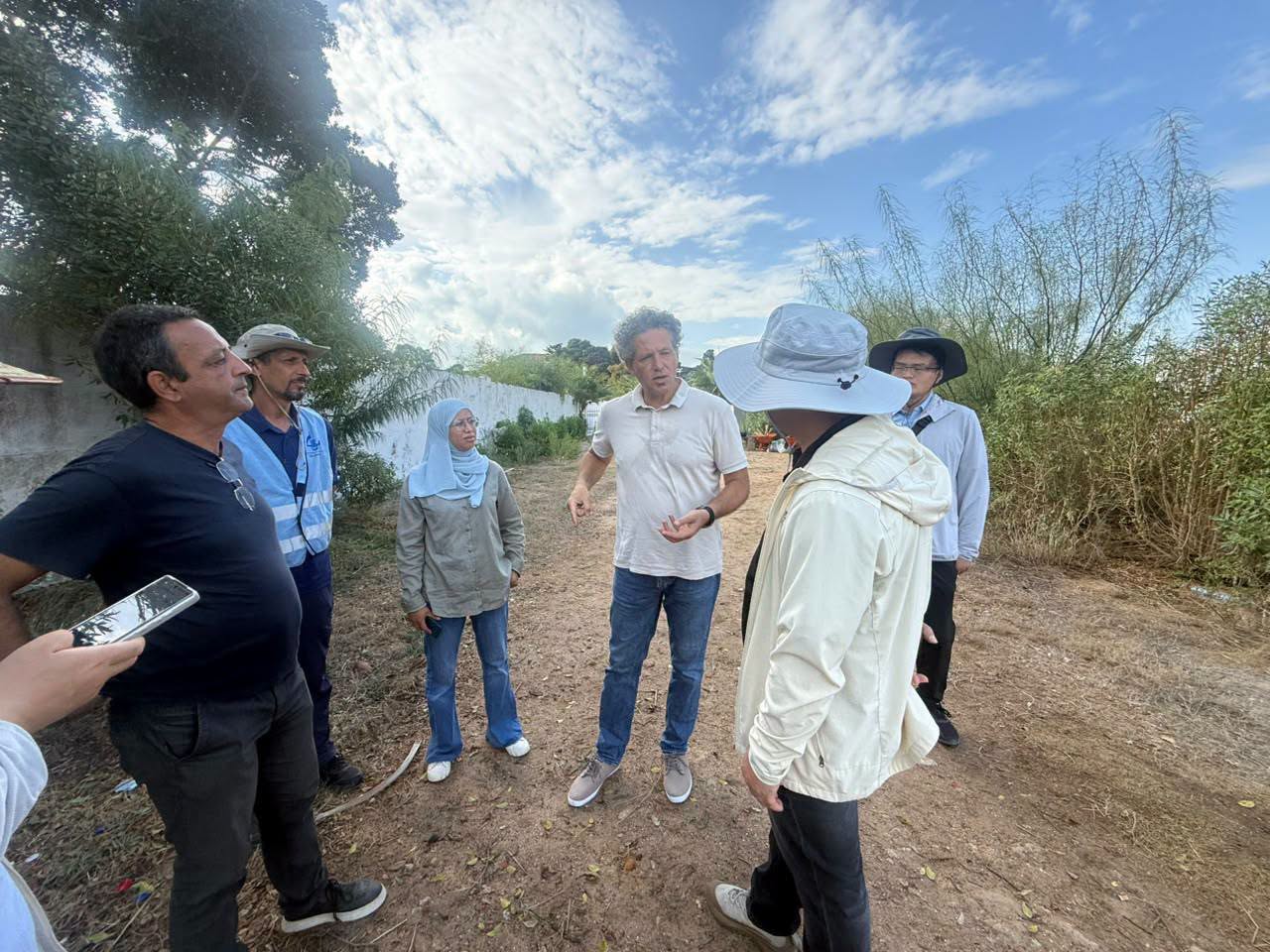
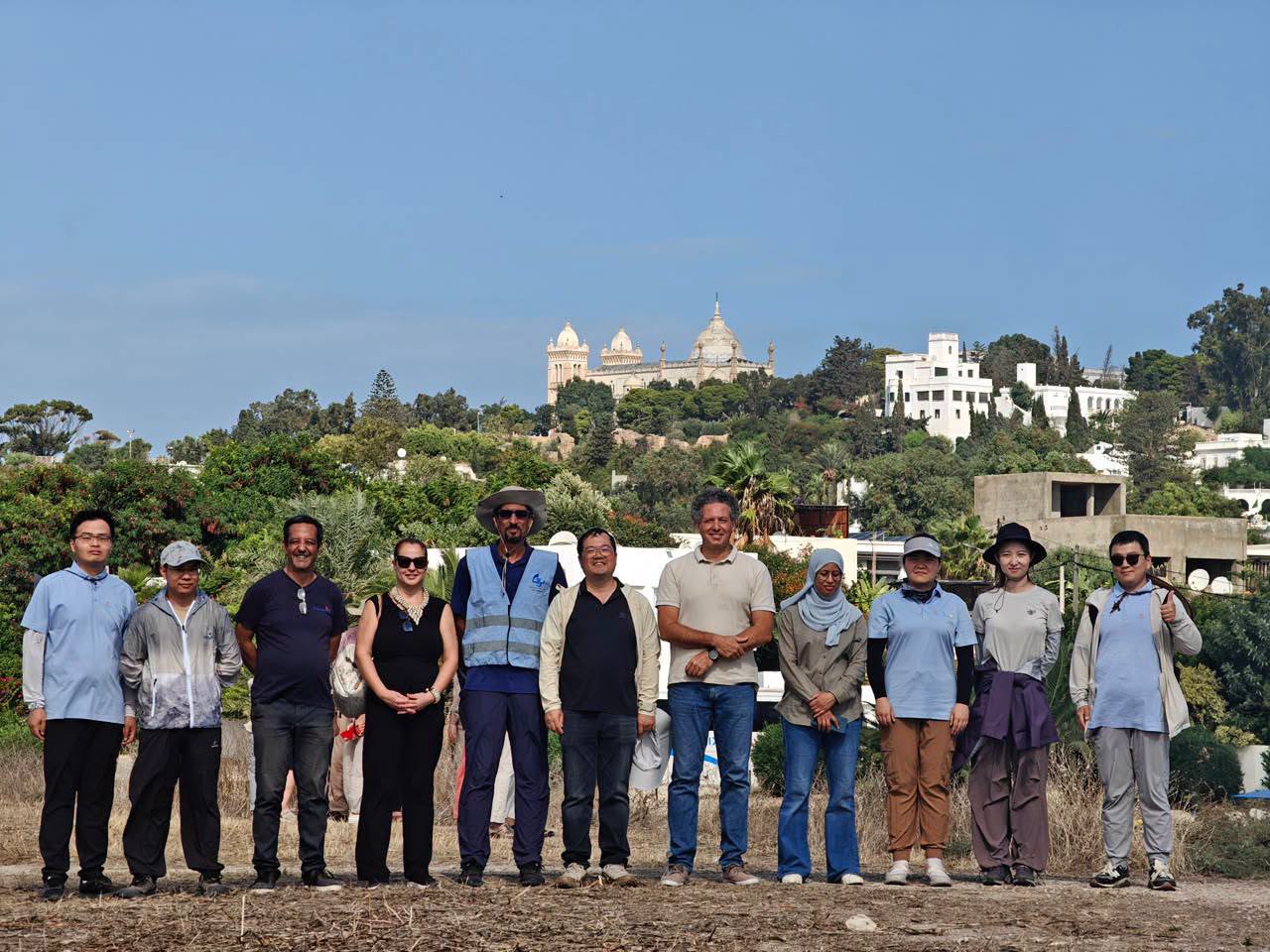
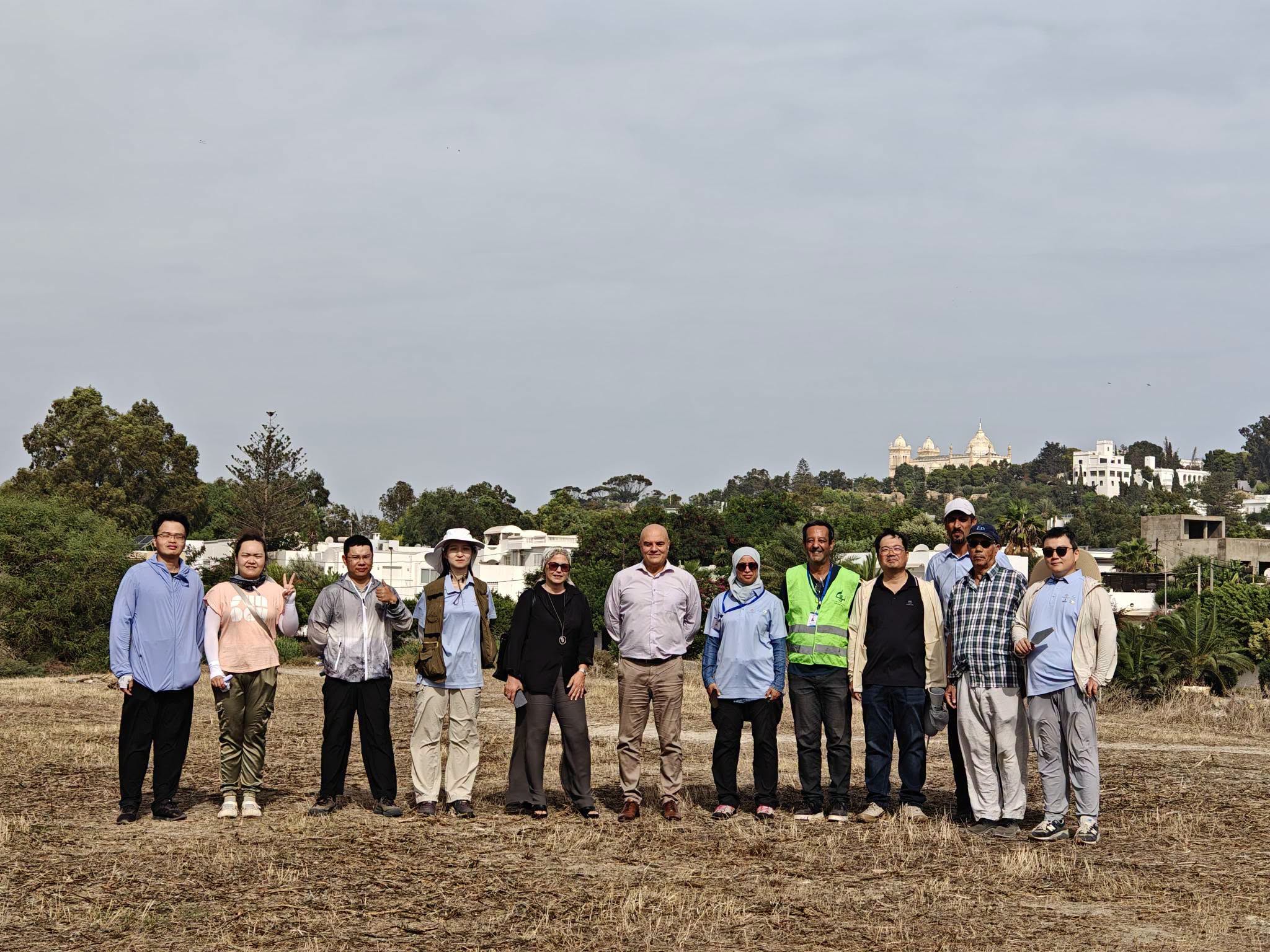
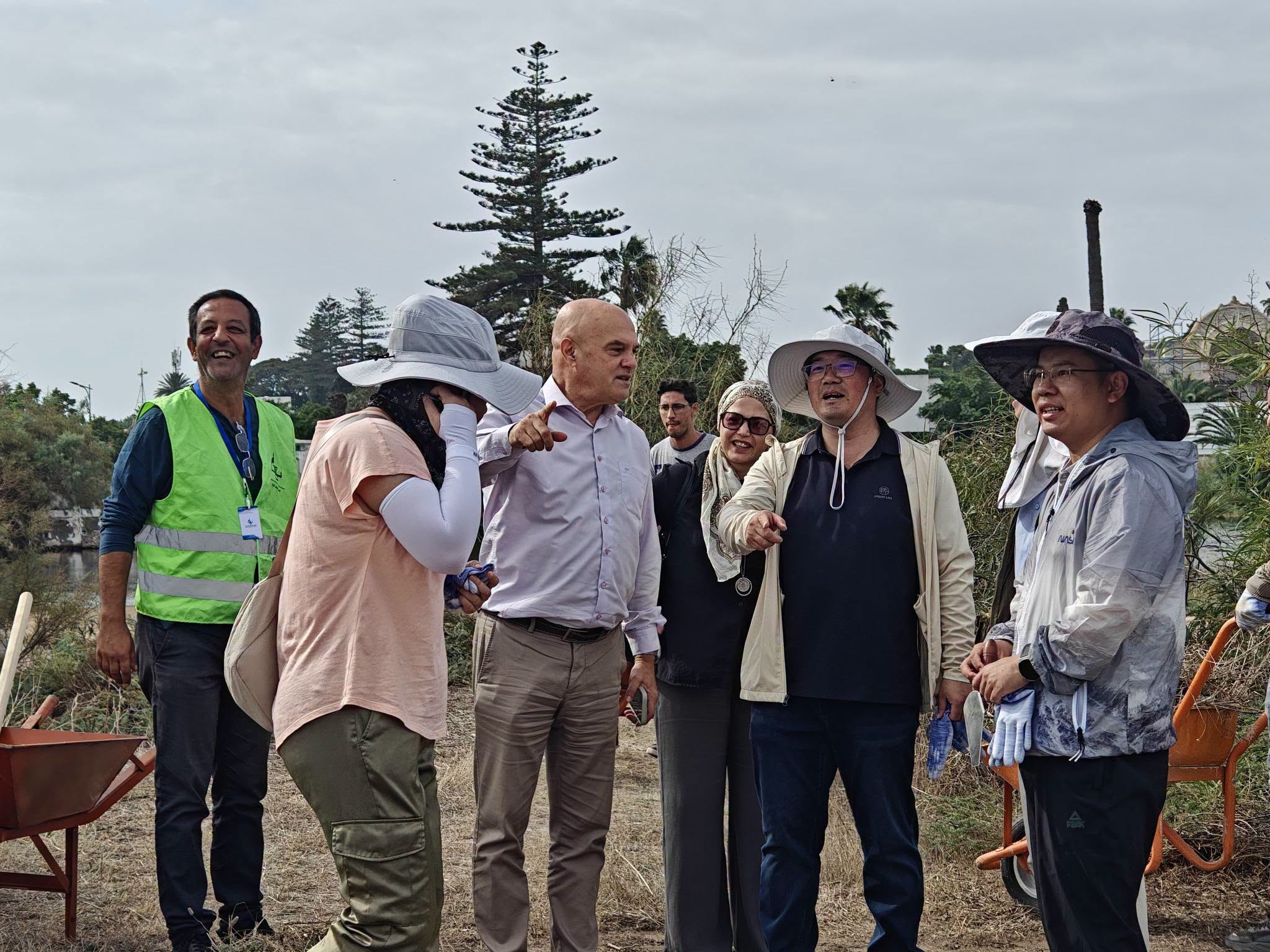
As part of the international cooperation between the National Heritage Institute (INP) and the National Centre for Archaeology in China (NACA), a project to showcase the archaeological site of the Punic ports of Carthage was launched on 15 October 2026 and will run until 8 January 2027, in the presence of the Director-General of the National Heritage Institute.
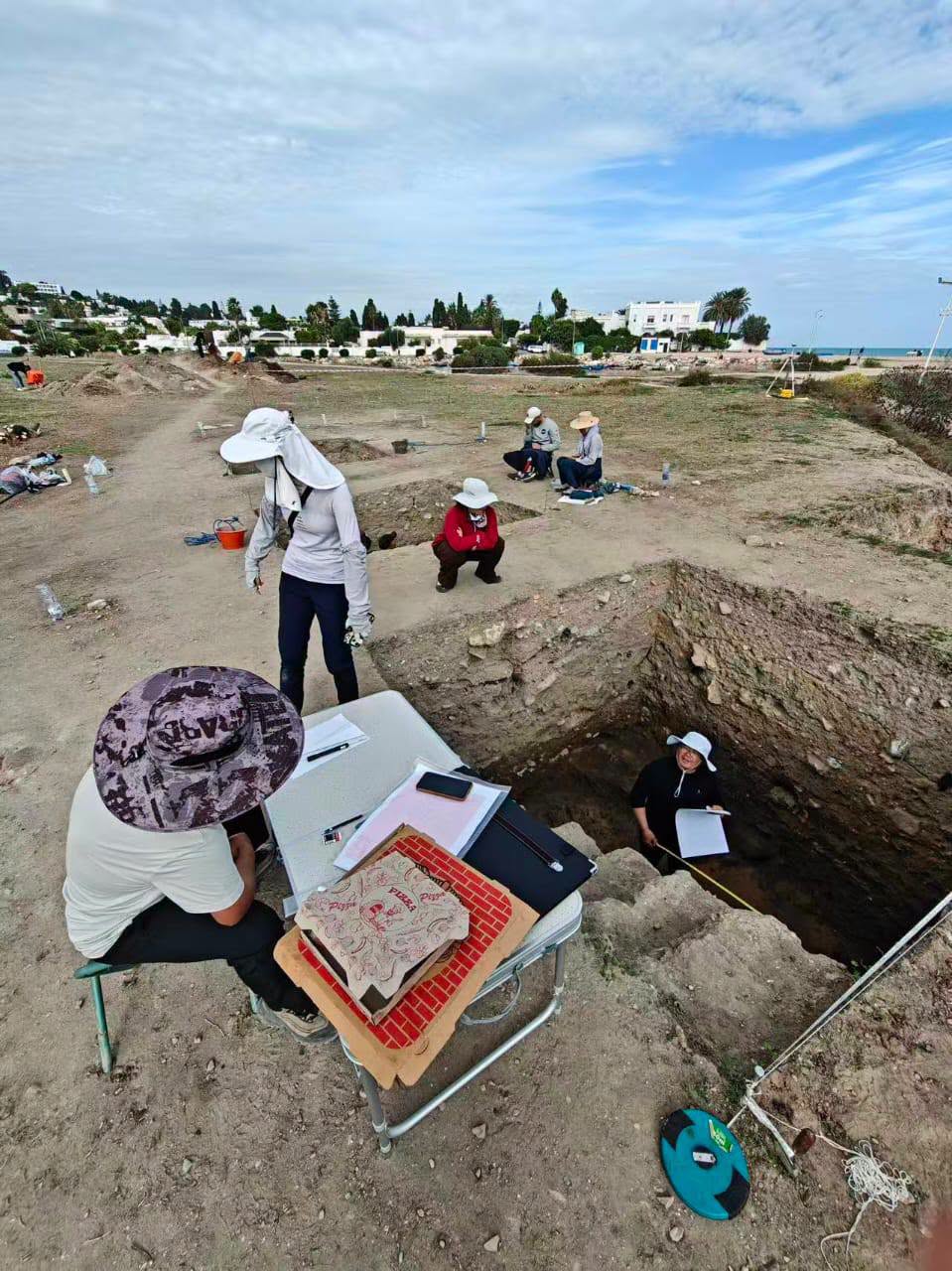
This mission will bring together Tunisian and Chinese researchers and specialists, as well as students from both countries.
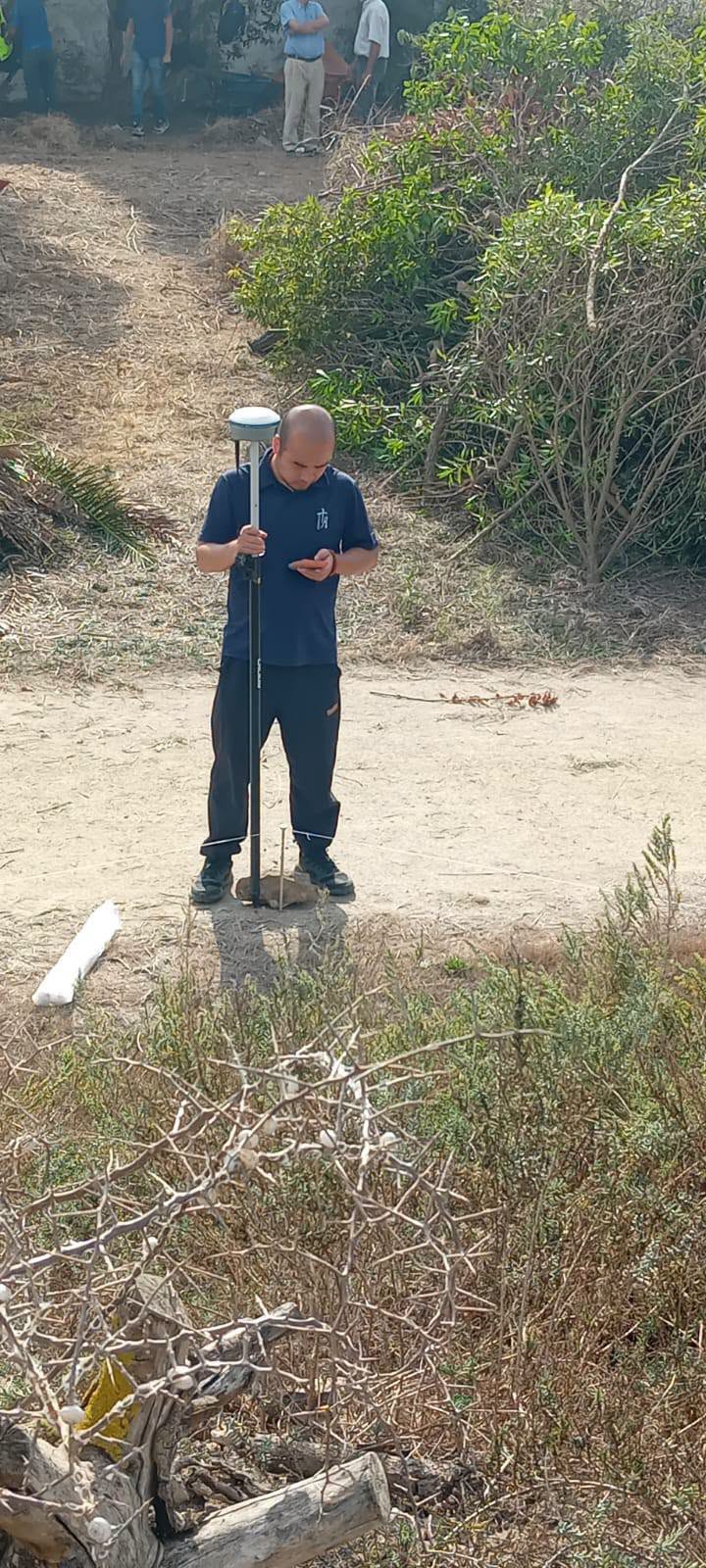
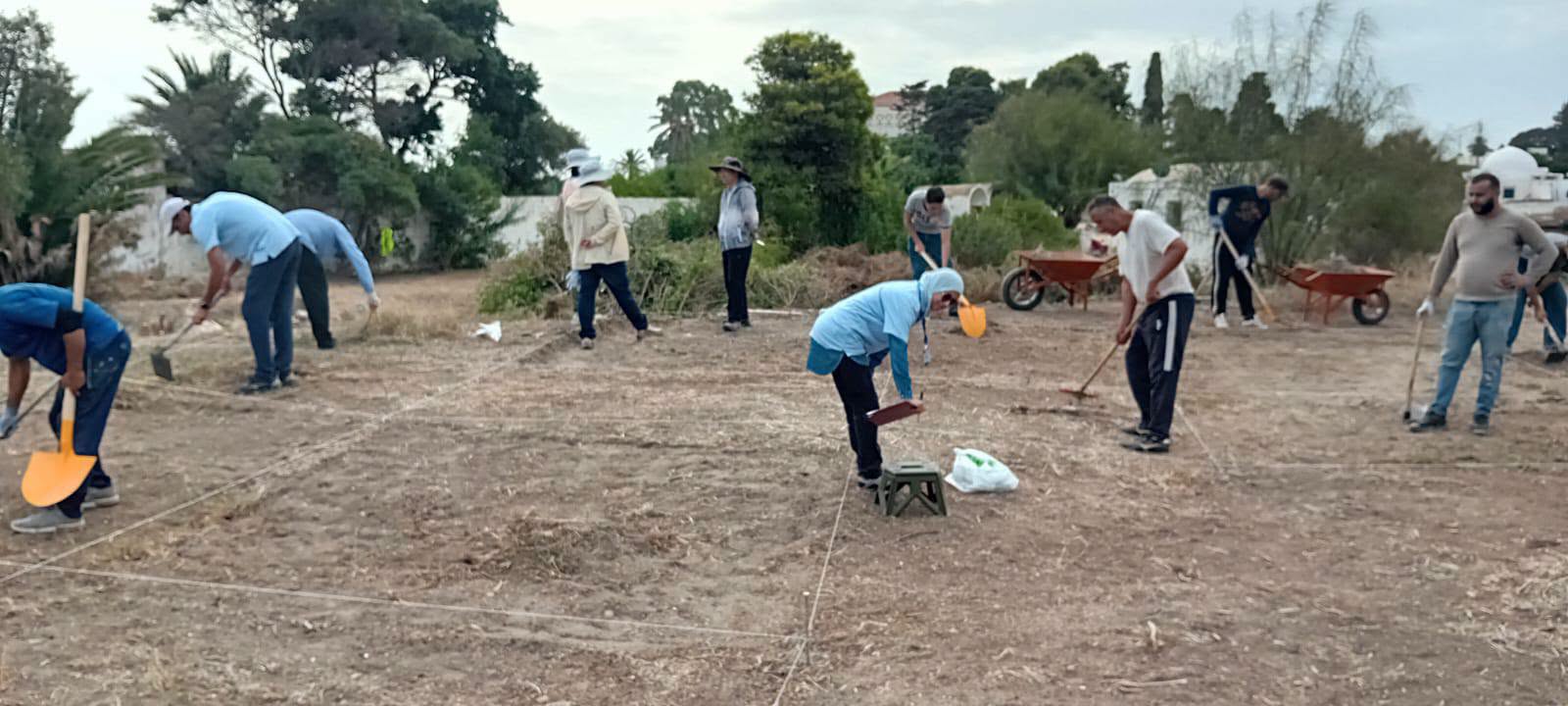
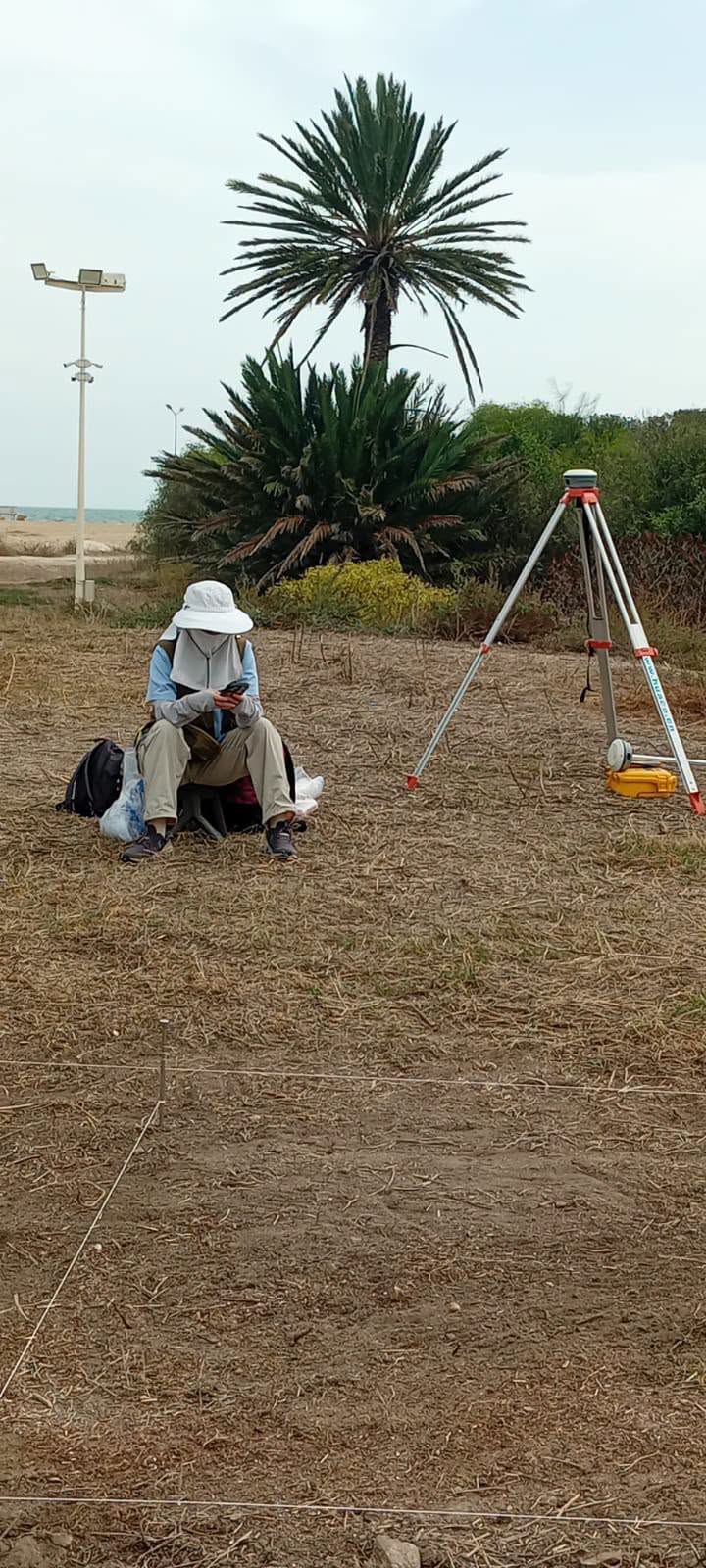
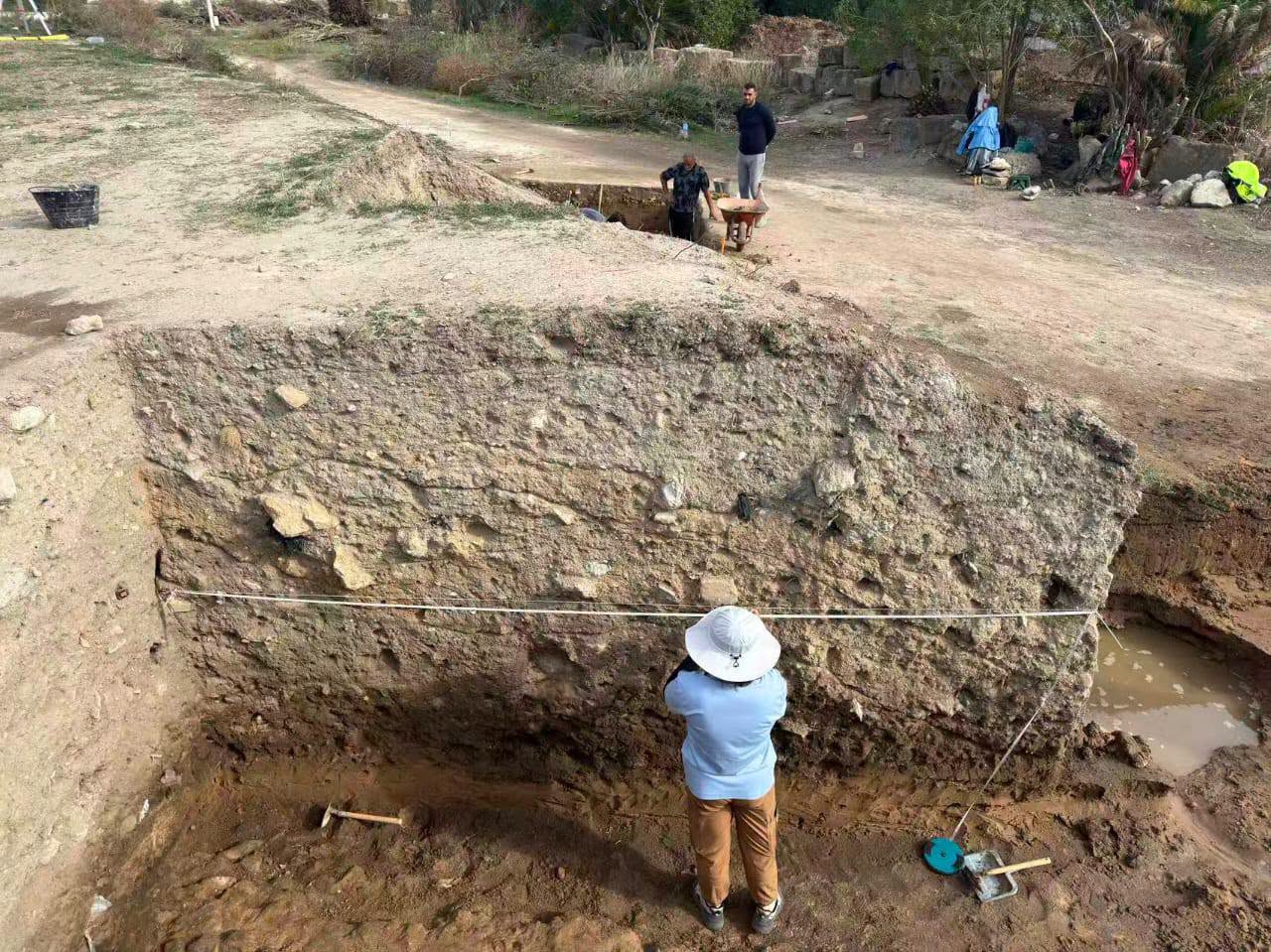
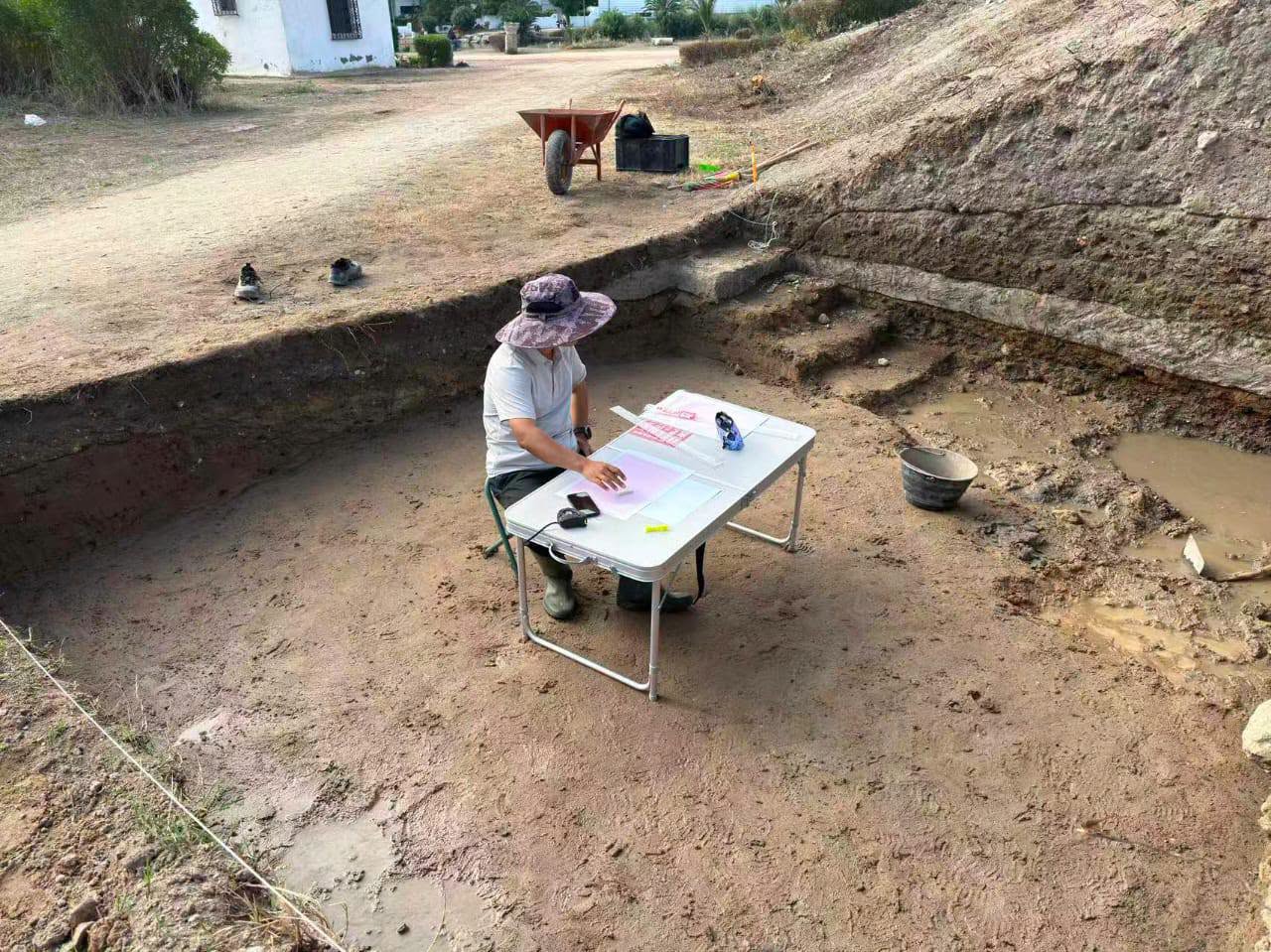
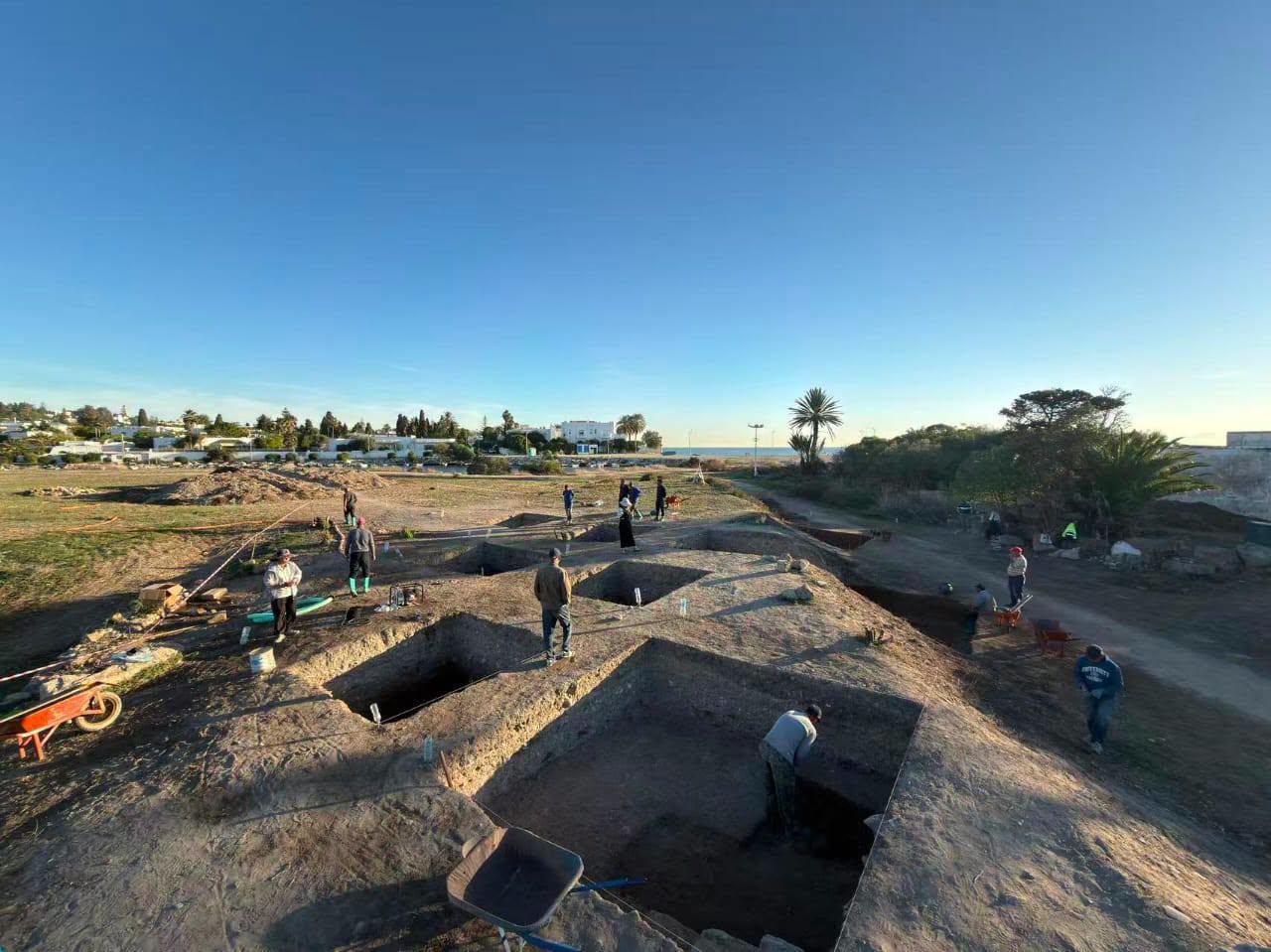
The work will focus on carrying out excavations and archaeological studies at the site and its immediate surroundings, as well as topographical surveys using modern technologies. It will also include the study and cataloguing of the archaeological collections unearthed.
This fieldwork will ultimately contribute to the enhancement of this iconic site, whilst ensuring the preservation of all its components.
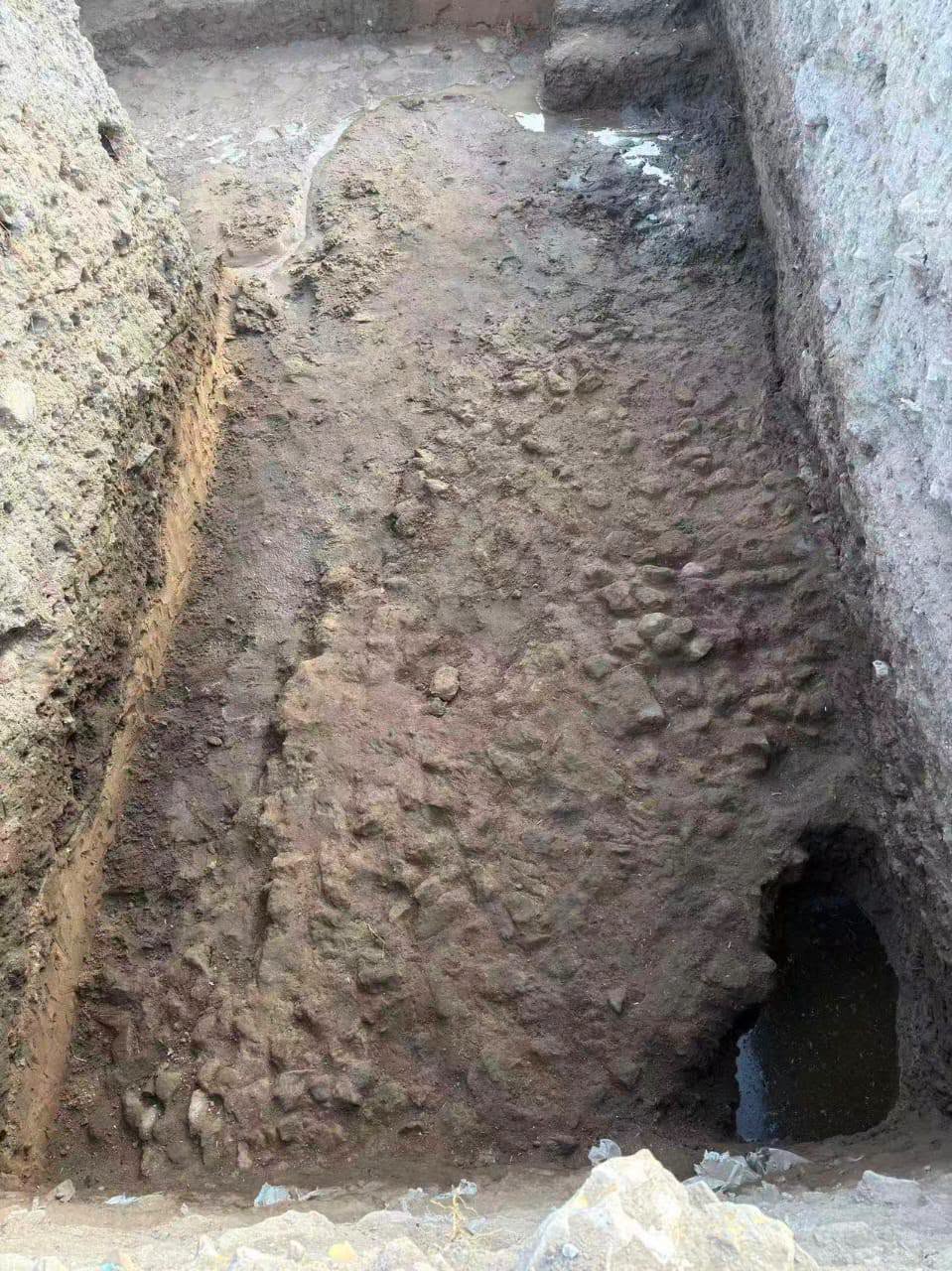
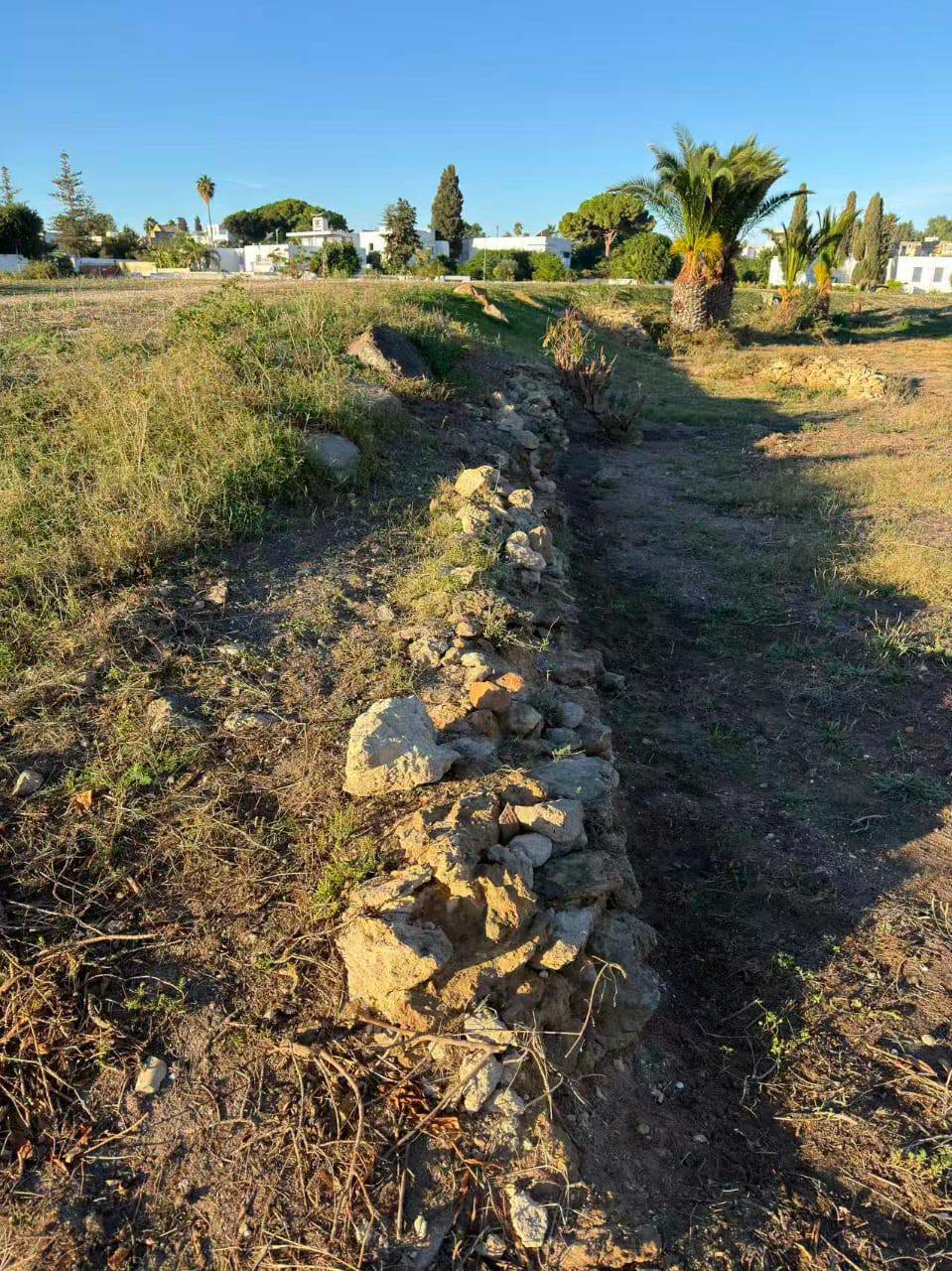
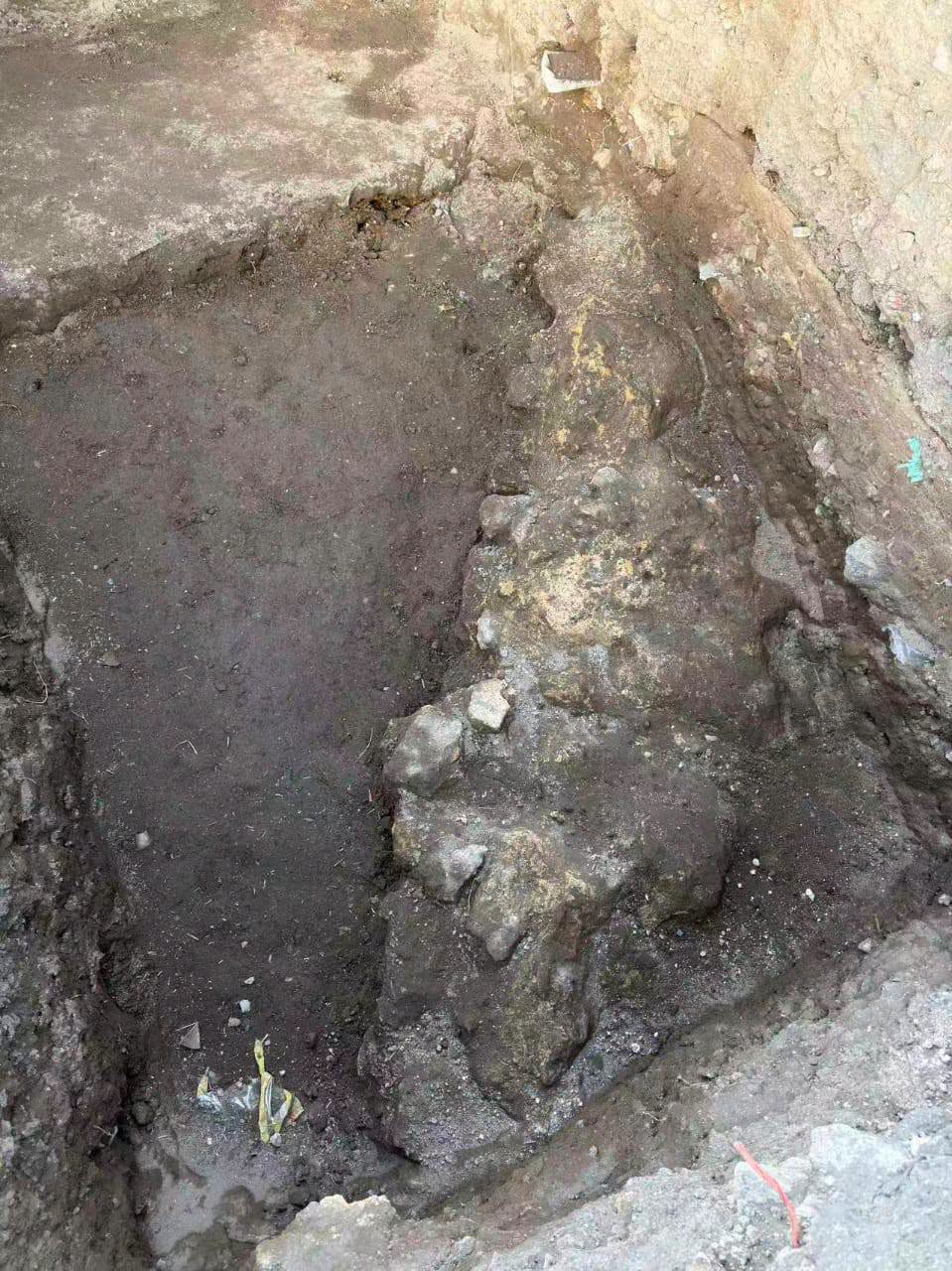
The excavation campaign led to the discovery of a boundary wall dating from the Roman period, which may correspond to the outer enclosure of the central block of the circular harbour, as well as the discovery of stone blocks whose function may have been linked to a breakwater structure. The archaeological finds recovered, comprising in particular amphorae, oil lamps, pottery and bronze coins, bear witness to an occupation spanning from the Punic to the Byzantine periods.
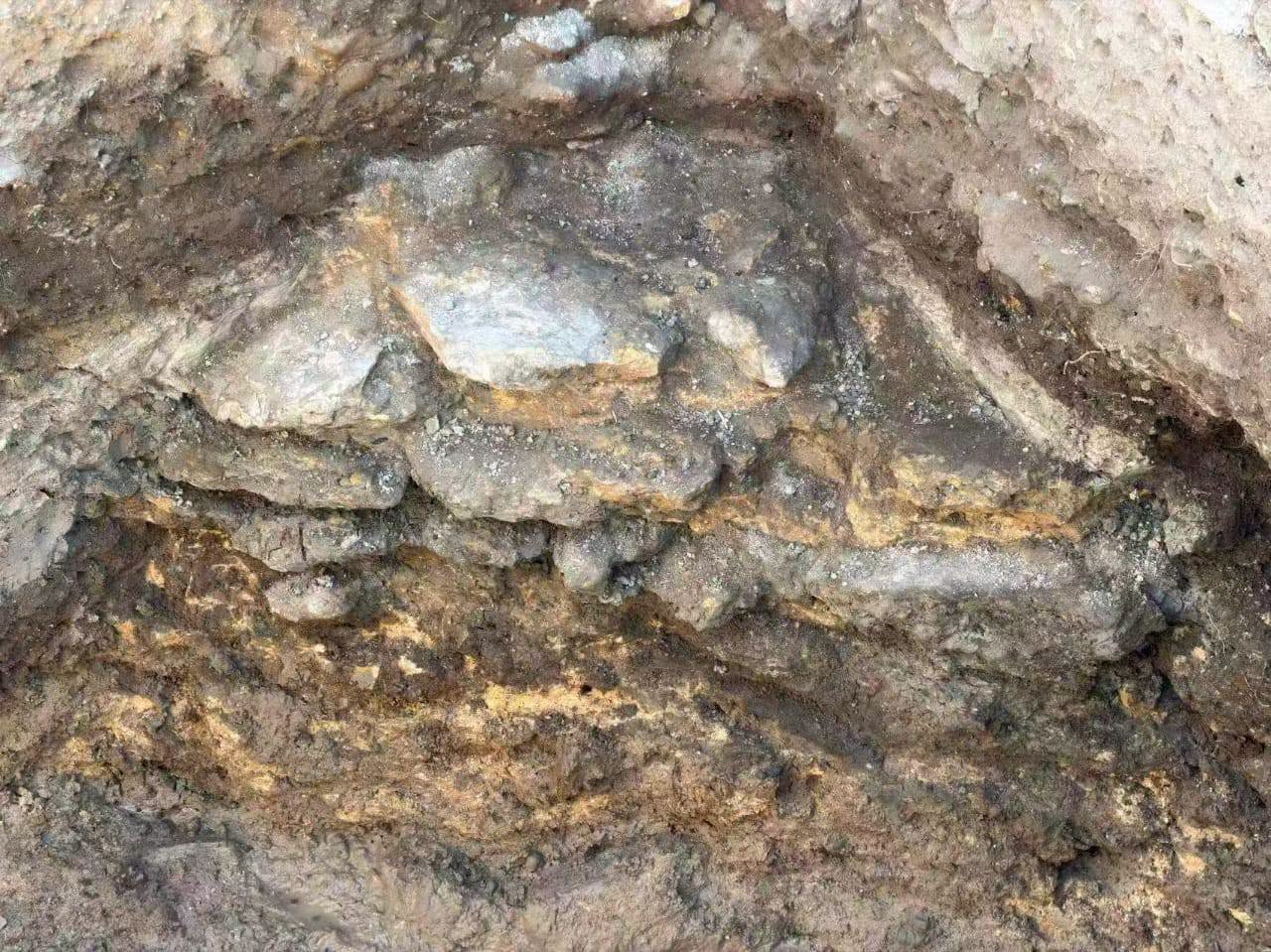
The teams are continuing their work to gain a better understanding of the physical relationships between the circulation levels, the abandonment layers and the structures, with a view to better understanding the spatial organisation of the remains within this monument.
This campaign illustrates the dynamism of the Tunisian-Chinese scientific partnership and contributes to a better understanding and the preservation of the site of Carthage.
Share this content:







Leave a Reply